
What Toxins are Released after Massage?

Massage in Abilene

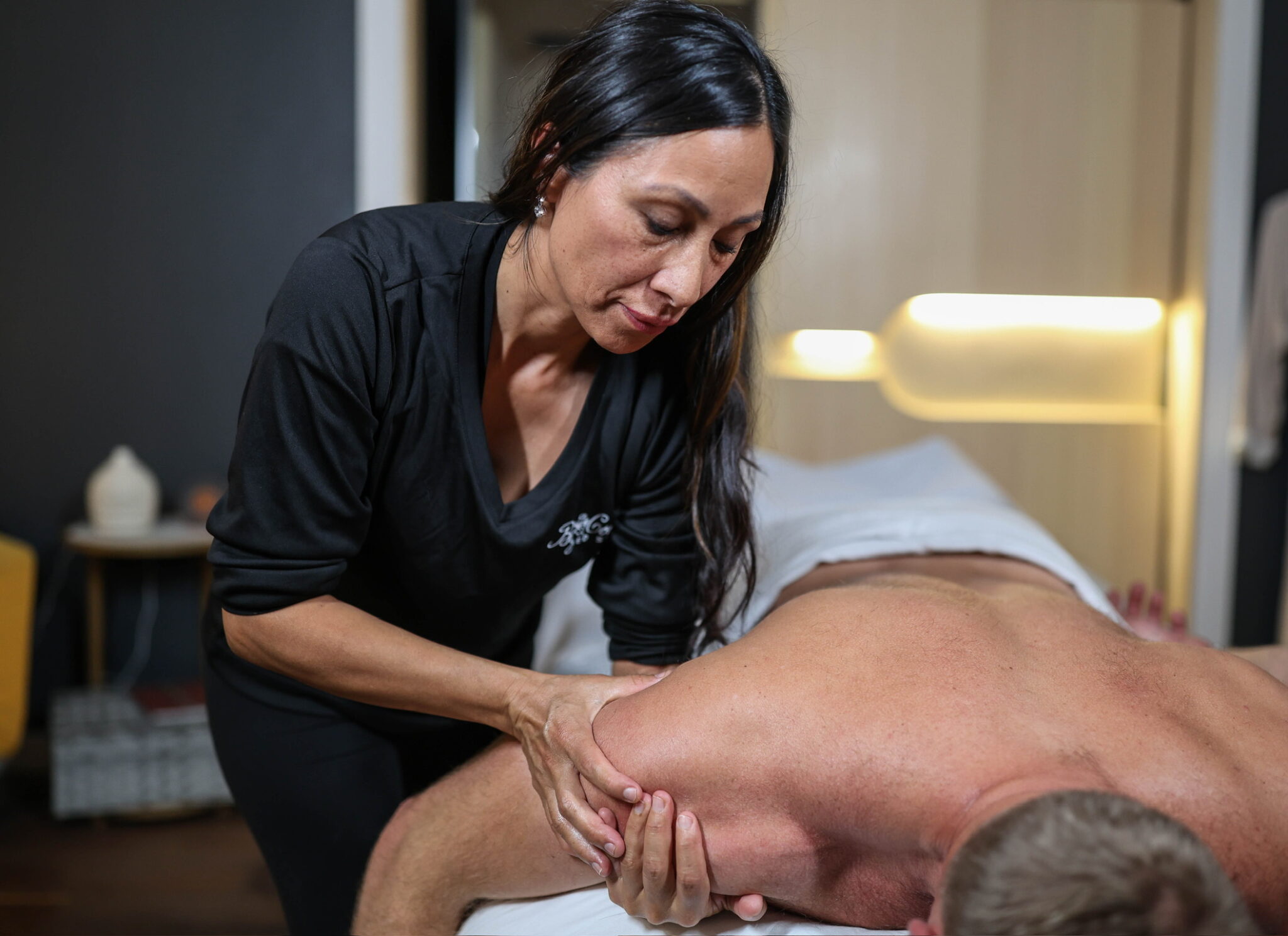
Massage therapy is a popular form of relaxation and healing, known for its ability to alleviate stress, reduce muscle tension, and promote overall well-being. While massage is generally considered safe and beneficial, some individuals may experience temporary side effects as a result of the body’s response to touch and manipulation. This guide aims to shed light on the potential toxins that may be released after a massage and how to manage any associated symptoms.

Understanding Toxins Released After Massage

here are toxins and understand

1. Metabolic Waste Products

During muscle contractions and daily activities, the body produces metabolic waste products like lactic acid and carbon dioxide.

Massage can stimulate blood and lymphatic circulation, facilitating the removal of these waste products.
Symptoms: Some individuals may experience mild soreness or fatigue as these toxins are flushed out of the system.

2. Emotional Toxins

Emotional stress and tension can manifest as physical toxins in the body.

Massage therapy often helps release stored emotions, potentially leading to temporary feelings of sadness, elation, or exhaustion.

Symptoms: Emotional release may be accompanied by changes in mood or heightened sensitivity.

3. Histamines and Inflammatory Mediators

Massage can stimulate the immune system, releasing histamines and inflammatory mediators in response to perceived threats.
This natural response may lead to localized redness or swelling in some individuals.

Symptoms: Temporary skin redness or sensitivity in response to heightened immune activity.

4. Circulatory Toxins

Improved blood circulation during massage may release toxins stored in tissues, such as heavy metals or environmental pollutants.

The lymphatic system helps filter and remove these toxins from the body.

Symptoms: Rarely, individuals may experience mild detoxification symptoms, such as headache or fatigue.

Body massage in Abilene, Texas

Managing Toxin Release Symptoms

You can manage symptoms

Hydration

Drink plenty of water before and after a massage to help flush out released toxins.
Proper hydration supports the body’s natural detoxification processes.

Rest and Relaxation

Allow time for rest and relaxation after a massage to help the body recover.
Avoid strenuous activities that may exacerbate soreness or fatigue.

Communication with Your Massage Therapist

Share any concerns or sensations you experience during or after the massage with your therapist.
A skilled therapist can adjust techniques or provide guidance on managing post-massage symptoms.

Regular Massage

Gradually increasing the frequency of massages allows the body to adapt, reducing the intensity of detoxification symptoms over time.
FAQs

What chemical is released after a massage?

Endorphins, the body’s natural painkillers and mood elevators, are released after a massage.

Massage can increase blood flow, reduce muscle tension, and promote relaxation.

Hydration helps flush out released toxins and prevents dehydration, supporting the body’s recovery.

Yes, drinking water helps flush out toxins that may be released during the massage, aiding the body’s natural detoxification process.

Conclusion

While some individuals may experience mild symptoms related to toxin release after a massage, it’s essential to recognize that these reactions are typically transient and part of the body’s natural healing process. Regular communication with a qualified massage therapist, staying hydrated, and allowing time for rest and relaxation can contribute to a positive and beneficial massage experience. If symptoms persist or are of concern, consult with a healthcare professional for personalized advice.

Table of Contents
Get In Touch
Table of Contents

Massage therapy is a popular form of relaxation and healing, known for its ability to alleviate stress, reduce muscle tension, and promote overall well-being. While massage is generally considered safe and beneficial, some individuals may experience temporary side effects as a result of the body’s response to touch and manipulation. This guide aims to shed light on the potential toxins that may be released after a massage and how to manage any associated symptoms.

Understanding Toxins Released After Massage

here are toxins and understand

1. Metabolic Waste Products

During muscle contractions and daily activities, the body produces metabolic waste products like lactic acid and carbon dioxide.

Massage can stimulate blood and lymphatic circulation, facilitating the removal of these waste products.
Symptoms: Some individuals may experience mild soreness or fatigue as these toxins are flushed out of the system.

2. Emotional Toxins

Emotional stress and tension can manifest as physical toxins in the body.

Massage therapy often helps release stored emotions, potentially leading to temporary feelings of sadness, elation, or exhaustion.

Symptoms: Emotional release may be accompanied by changes in mood or heightened sensitivity.

3. Histamines and Inflammatory Mediators

Massage can stimulate the immune system, releasing histamines and inflammatory mediators in response to perceived threats.
This natural response may lead to localized redness or swelling in some individuals.

Symptoms: Temporary skin redness or sensitivity in response to heightened immune activity.

4. Circulatory Toxins

Improved blood circulation during massage may release toxins stored in tissues, such as heavy metals or environmental pollutants.

The lymphatic system helps filter and remove these toxins from the body.

Symptoms: Rarely, individuals may experience mild detoxification symptoms, such as headache or fatigue.

Body massage in Abilene, Texas

Managing Toxin Release Symptoms

You can manage symptoms

Hydration

Drink plenty of water before and after a massage to help flush out released toxins.
Proper hydration supports the body’s natural detoxification processes.

Rest and Relaxation

Allow time for rest and relaxation after a massage to help the body recover.
Avoid strenuous activities that may exacerbate soreness or fatigue.

Communication with Your Massage Therapist

Share any concerns or sensations you experience during or after the massage with your therapist.
A skilled therapist can adjust techniques or provide guidance on managing post-massage symptoms.

Regular Massage

Gradually increasing the frequency of massages allows the body to adapt, reducing the intensity of detoxification symptoms over time.

FAQs

What chemical is released after a massage?

Endorphins, the body’s natural painkillers and mood elevators, are released after a massage.

Massage can increase blood flow, reduce muscle tension, and promote relaxation.

Hydration helps flush out released toxins and prevents dehydration, supporting the body’s recovery.

Yes, drinking water helps flush out toxins that may be released during the massage, aiding the body’s natural detoxification process.

Conclusion

While some individuals may experience mild symptoms related to toxin release after a massage, it’s essential to recognize that these reactions are typically transient and part of the body’s natural healing process. Regular communication with a qualified massage therapist, staying hydrated, and allowing time for rest and relaxation can contribute to a positive and beneficial massage experience. If symptoms persist or are of concern, consult with a healthcare professional for personalized advice.

Get In Touch

Read More

Recent Insights

botox treatment

Do You Tip for Botox at a Med Spa?

Is tipping for Botox expected or optional? Get the definitive guide on med spa etiquette, standard tipping rates, and how to handle gratuity when your injector is a licensed medical professional.

Read More »
Massage in Abilene

What Toxins are Released after Massage?

A great massage melts away tension, but it can also leave you feeling a little sore or emotionally drained. Why? It’s all about detoxification. Uncover the physical and emotional “toxins” released during a massage, and learn the best ways to help your body recover and rehydrate.

Read More »